
Serving Durban since 2012 · Open daily 07:00–18:00 · Call or WhatsApp 079976 2941

Commercial refrigeration · Durban South

Cold Room Repairs Durban South

A cold room that cannot hold temperature can put stock at risk quickly. We check airflow, evaporator icing, condenser condition, controls and refrigeration performance to identify why capacity has fallen.

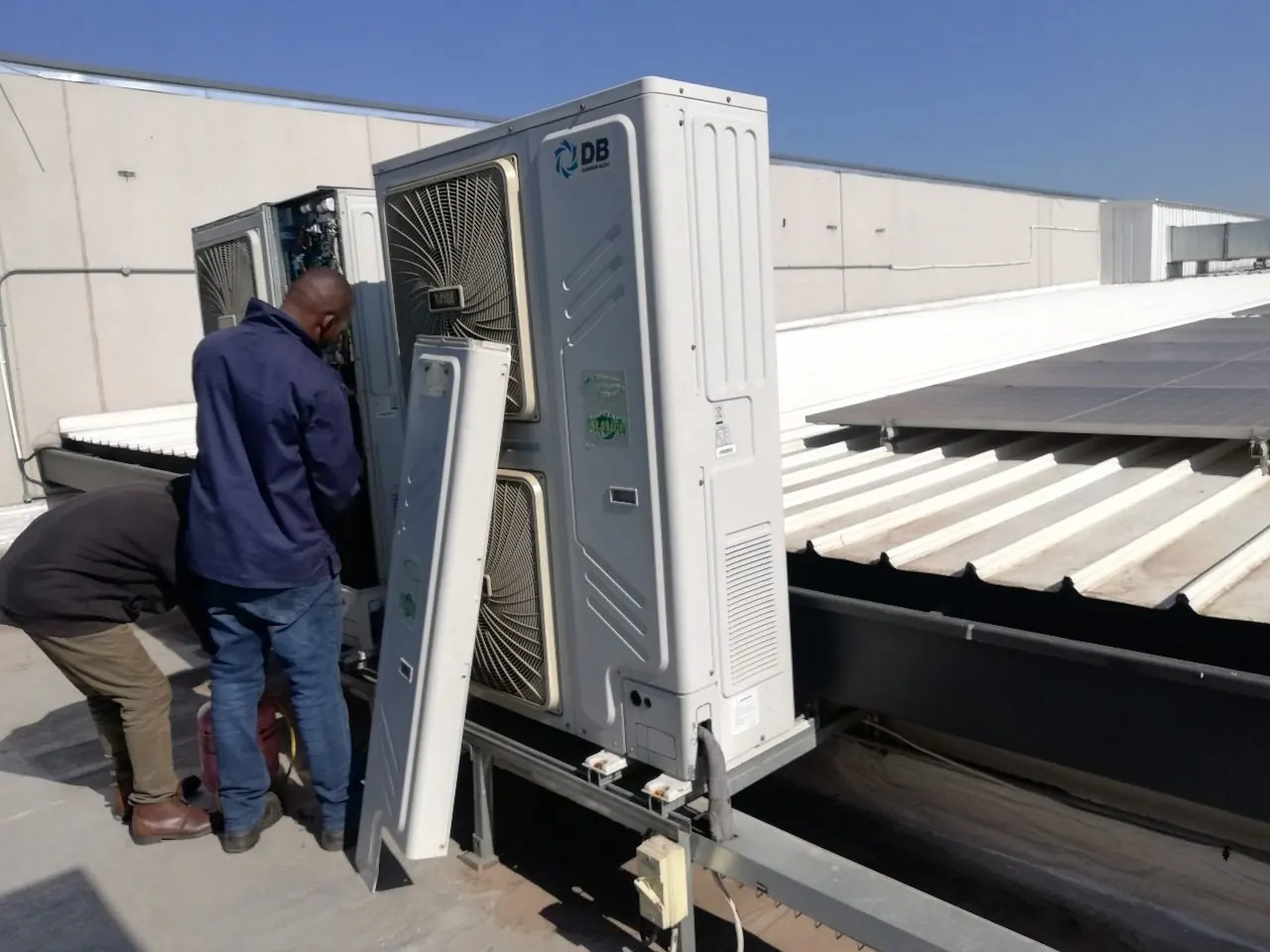
Cooling equipment during technical service
Hands-on cold room repair and diagnostic work by our technicians.
Fast booking

Book Cold Room Repair in Durban South

Send the fault details now and we will confirm the earliest available visit.

Request an appliance repair

Tell us a little about the problem. Our team will contact you to arrange the next step.

✓ Open daily 07:00–18:00✓ Durban & selected KZN coverage✓ Call 079976 2941By submitting, you ask us to contact you about this repair. Privacy · Booking policy

Before booking in Durban South

Practical advice for fridges, freezers and cold rooms

These details help us understand the problem and prepare for a more useful first inspection.

What the symptoms can tell us

Check whether the entire cabinet is warm or only one compartment is affected. Listen for normal fan movement and note whether frost or water collects near the door. A blocked airflow path, worn door seal, control issue and refrigerant-related fault need very different repairs. We will assess the symptoms rather than assume the appliance only needs gas.
What to do safely before a visit

Move perishable food to safe storage if temperatures are rising. Keep the model information and any display error available. Do not chip ice from the evaporator or pierce panels to speed up defrosting.

What to include with your booking

Describe any recent move, door-seal damage, power interruption or previous re-gassing. Tell us whether the compressor starts and stops frequently, runs continuously, or does not start.

We serve customers in Durban South and selected surrounding Durban areas. Learn how repair pricing works, or contact us to arrange a visit.

Cold Room Repair in Durban South

Temperature rising: the checks that matter before we repair

A cold room that cannot hold temperature can put stock at risk quickly. We check airflow, evaporator icing, condenser condition, controls and refrigeration performance to identify why capacity has fallen.

For a Durban South booking, send the brand/model if known and describe what happens from the moment the appliance or system is switched on until the fault appears. That sequence helps us prepare for the right checks.

What are you seeing?

What we check when the problem involves temperature rising

The symptom pattern guides the order of diagnosis so we do not replace parts before confirming the cause.

Temperature rises steadily

Loss of cooling capacity can come from airflow, controls or refrigeration conditions.

Unit runs constantly

The system may be unable to remove heat effectively.

Room cools unevenly

Air distribution, fan operation and loading conditions need inspection.

Temperature recovers slowly after door opening

Door sealing, heat load and system capacity all affect recovery.

How we diagnose the problem

Our diagnostic path for temperature rising

We work from the symptom toward the failed system and explain the findings before the repair proceeds.

01

Confirm actual room temperature

We compare controller reading and real conditions where possible.

02

Check evaporator airflow

Fans and icing can reduce heat removal.

03

Check condenser heat rejection

Dirty/blocked condenser or fan faults reduce capacity.

04

Assess refrigeration and controls

The compressor, refrigerant circuit and controls are checked based on earlier findings.

Useful before the visit

Details that help us diagnose Cold Room Repair

The more precise the symptom, the easier it is to prepare the right checks for your appliance or system.

Tell us whether fans are operating

A stopped evaporator or condenser fan can create temperature problems that look like a refrigeration-capacity fault.

Share equipment labels if accessible

A controller, condensing-unit or compressor label helps us identify the equipment before the visit and prepare for the system size.

Describe door use and product loading

A recent warm load or heavy door traffic changes heat load. We compare that context with how the system is actually recovering.

Practical guidance

Protect stock while diagnosis is arranged

If cold-room temperature is rising, reduce unnecessary door opening and move temperature-sensitive stock where practical. The repair still needs to identify why the system lost capacity — airflow, controls, icing, condenser performance or refrigeration faults can all be involved.

Record current temperature

Tell us the controller reading and whether it is still rising.

Reduce door traffic

This slows heat gain while cooling is compromised.

Do not reset protection repeatedly

Trips and alarms are useful fault information.

Mention product load changes

A recent large warm load can affect recovery time.

Useful fault details

Details that help us diagnose cold room repair correctly

When you book in Durban South, tell us what changed, what still works and when the symptom appears. Those details help us decide which checks come first and whether the problem is electrical, mechanical, airflow, control or refrigeration related.

Cold room is warmer than its set point

We compare the controller reading with actual room temperature and check whether the refrigeration system is being called to run. Airflow, evaporator icing, condenser condition, compressor operation and refrigerant performance are then assessed in a logical sequence.

Evaporator is icing heavily

Ice can block airflow and reduce cooling even while the refrigeration equipment keeps running. We check defrost operation, fan movement, door sealing and system conditions that may be pulling coil temperature too low. Removing ice without correcting the cause usually gives only temporary relief.

Condenser area is unusually hot

Poor heat rejection makes refrigeration equipment work harder. We check condenser cleanliness, fan operation, ventilation and compressor conditions. Restoring heat rejection can improve performance without altering the refrigerant charge, so this is an important early check.

Water or ice around the evaporator

Water can indicate blocked drainage, heavy icing or defrost behaviour. We inspect the drain path and coil condition, then determine why moisture is not being handled normally. Electrical components near water are also checked for safe operation.

Our repair work

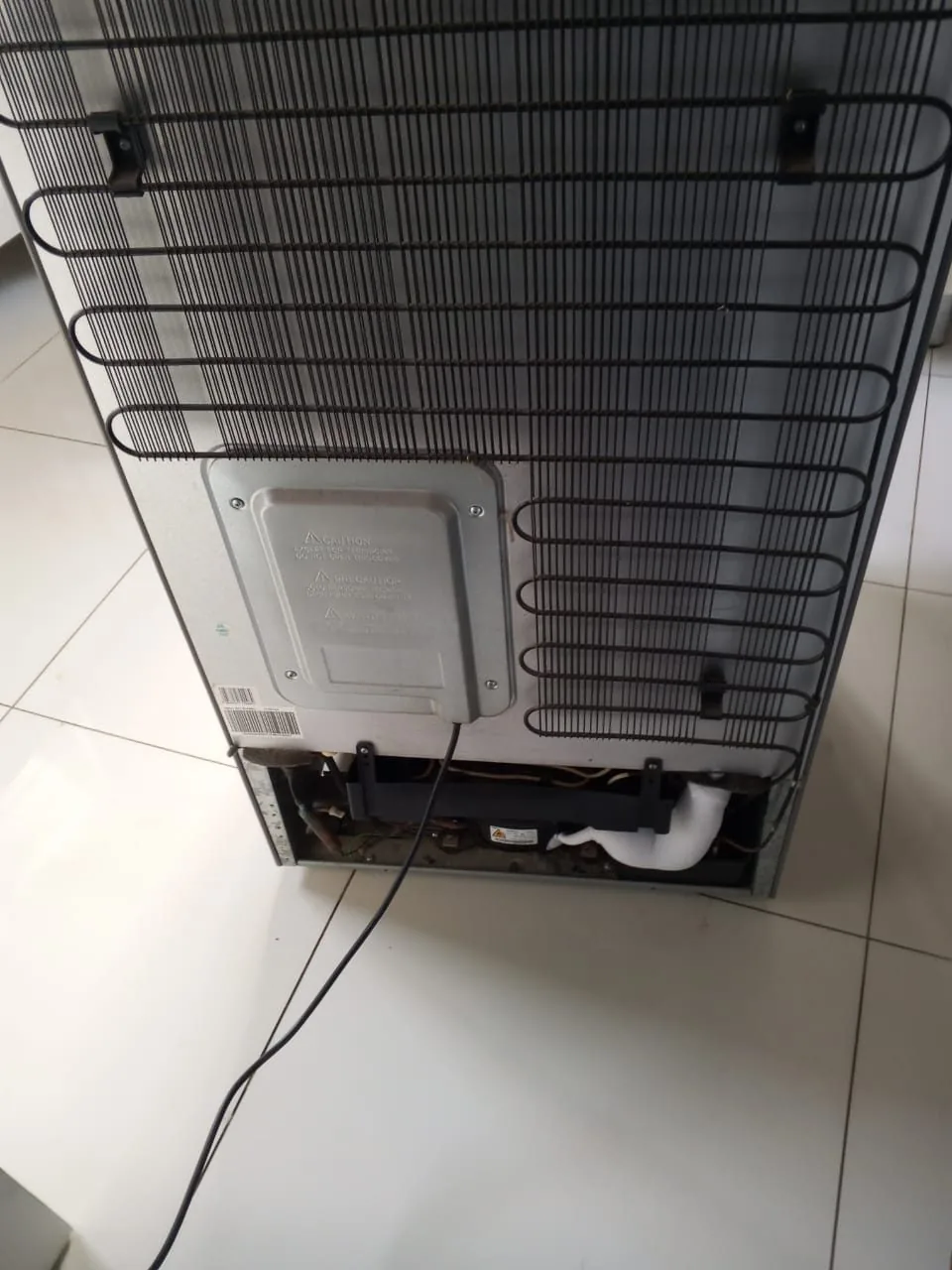
Hands-on repairs by our technicians

We inspect the appliance, access the components that need attention and test the repaired function before the job is complete.

Book Cold Room Repair in Durban South

Book cold room repair in Durban South

Send your Durban South location, brand/model if available and the exact symptoms. Include any earlier repair or recharge history that relates to the same fault.

  • Durban South address
  • Brand and model if known
  • Exact fault sequence
  • Any error code, noise, ice, leak or trip
  • Previous related repair history

Nearby coverage

BluffMerebankIsipingoUmlazi

More repair services

Durban South Cold Room Repair

Common questions

Answers about the faults we repair and how to book.

How do I book cold room repair in Durban South?

Call or WhatsApp 079976 2941, or use the booking form. Send the exact location and a clear description of the fault.

Why do you ask for the model number?

The model helps us identify the appliance or system design and prepare for the correct checks and parts where required.

Do you test the fault before replacing parts?

Yes. We diagnose the failed function first and explain the repair once the cause is confirmed.

Book in Durban South

Arrange Cold Room Repair

Tell us your location, appliance, brand or model if known, and what has gone wrong.

Phone: 079976 2941

Request an appliance repair

Tell us a little about the problem. Our team will contact you to arrange the next step.

WAWhatsApp BookingSend photos & fault details
Call WhatsApp Book Form